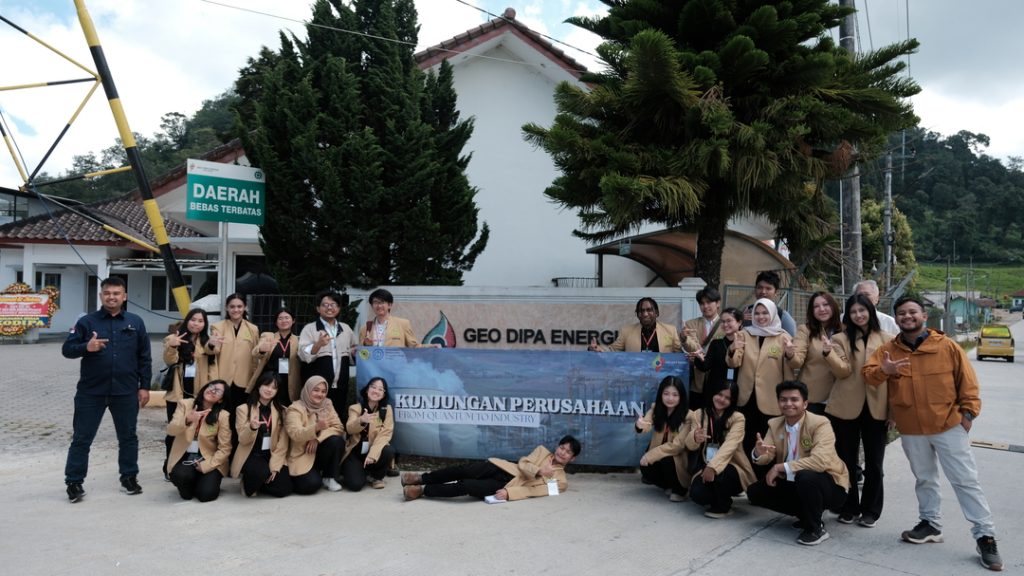


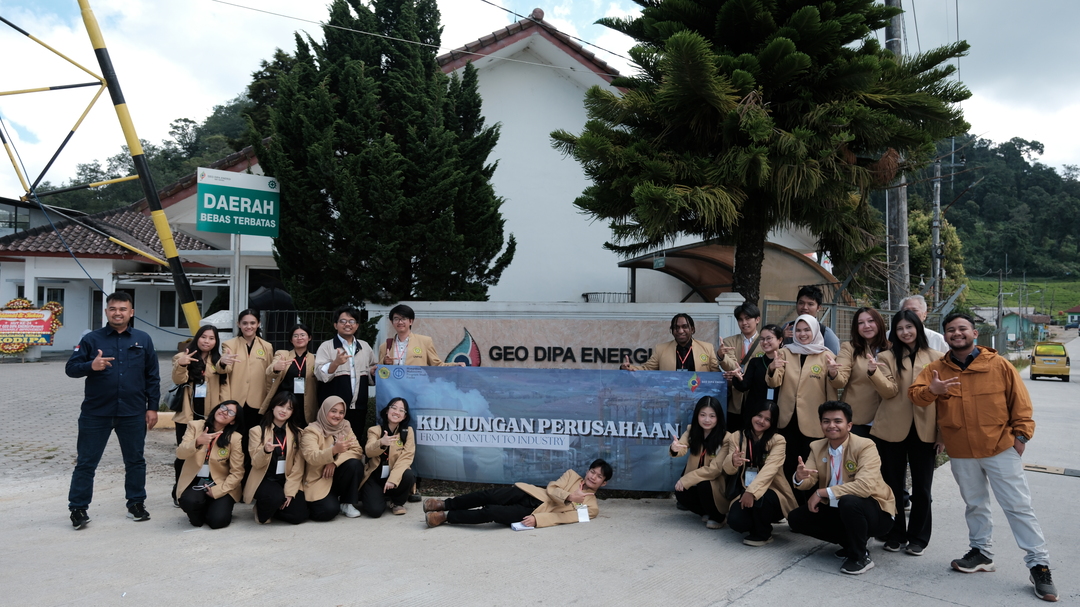
Behind every kilowatt of electricity that quietly flows into our homes lies a long process that begins deep beneath the Earth’s surface. Understanding this process was the main purpose of the Physics Study Program’s visit to PT Geo Dipa Energi (Persero) Patuha Unit, one of the operators of a geothermal power plant (PLTP) in the Ciwidey area of Bandung Regency. For physics students, this visit was far more than a factory tour—it was an opportunity to witness firsthand how thermodynamics, fluid mechanics, and geophysics work together to generate clean energy on an industrial scale.
From Kamojang to Patuha: The Story of Two Generations of Geothermal Energy
The visit began with an engaging presentation on the history of geothermal development in Indonesia. Located near Garut, the Kamojang Geothermal Power Plant has been in operation for nearly a century, making it one of the oldest geothermal power plants in the country. Patuha, by contrast, is much younger, having operated for only 24 years, with approximately ten years of effective production. This difference in age reflects the fact that each geothermal field possesses unique geological and social characteristics. As a result, geothermal power plants across Indonesia actively collaborate and exchange knowledge, not only in technical operations but also in building positive relationships with surrounding communities.
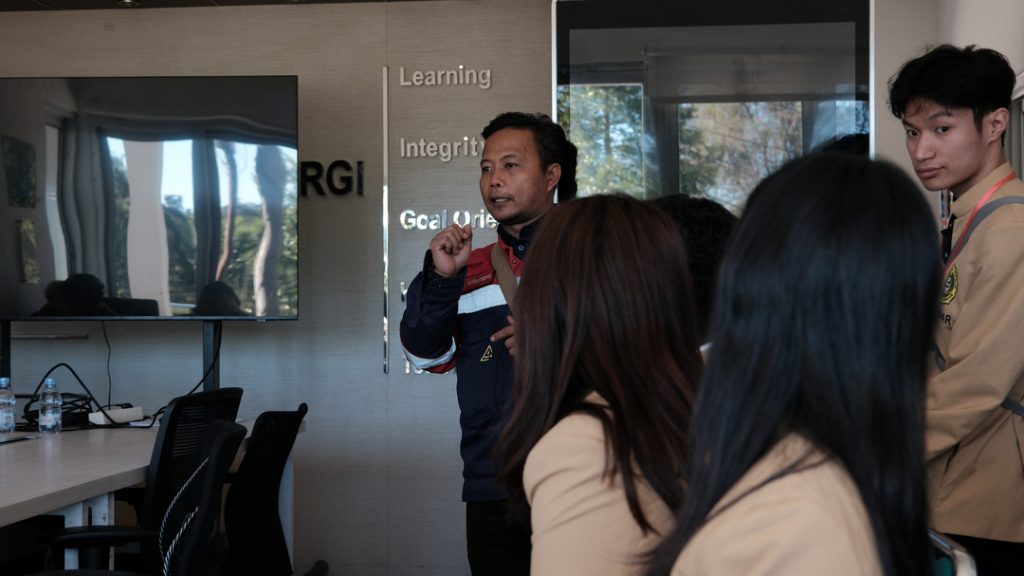
One particularly memorable aspect of the session was the discussion of local community involvement. Residents are not only employed by the company but also serve as important communication bridges between the geothermal plant and nearby communities. They help address misconceptions, including the common belief that geothermal activities inevitably cause major earthquakes. In reality, significant seismic events are uncommon, although minor microseismic activity may occur as part of natural subsurface processes. This safety-conscious environment also explains why all visitors are required to wear long-sleeved clothing, long pants, and closed-toe shoes. These simple precautions provide protection in the unlikely event of small leaks or minor geothermal emissions from the ground surface.
From a 2-Kilometer-Deep Well to Electricity Generation
Perhaps the most technical—and fascinating—part of the visit was learning how geothermal steam is captured and utilized. The Patuha Unit operates two sources of wet steam at temperatures of approximately 180°C and pressures of around 8 barg. The entire process begins with extensive geological, chemical, and physical investigations to identify promising geothermal resources.
Once a fractured, water-bearing rock formation is located at a depth of roughly 2 kilometers, drilling operations are carried out to reach the reservoir. Dissolved gases in the geothermal fluids are then carefully analyzed to detect potentially hazardous substances such as hydrogen sulfide (H₂S) and carbon monoxide (CO). After the site is deemed suitable for development, the exploratory well is converted into a permanent production well.Water from deep underground rises toward the surface and gradually transforms into wet steam as pressure decreases. This steam is transported through insulated pipelines approximately 40 centimeters in diameter, extending for several kilometers across the geothermal field.
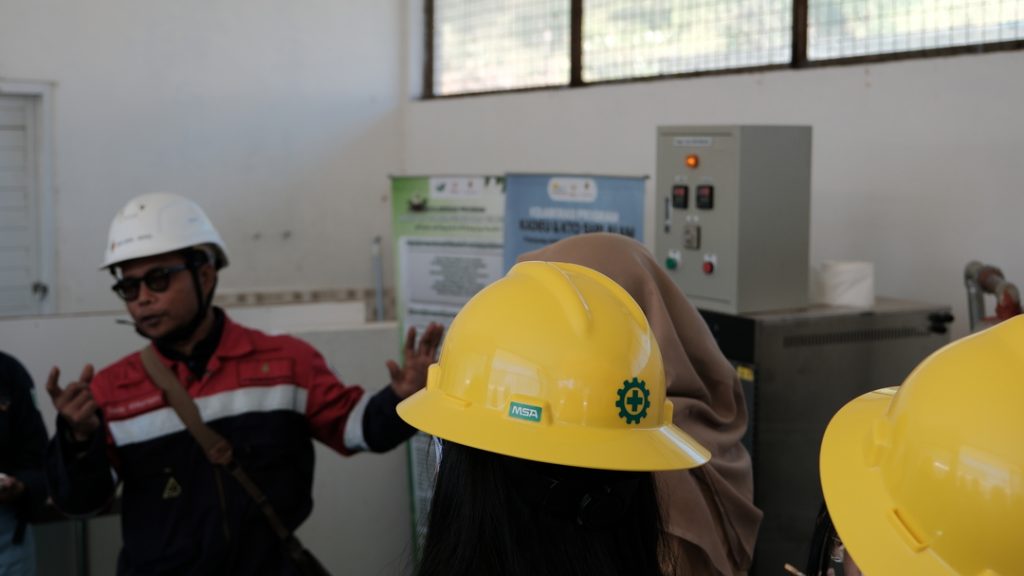
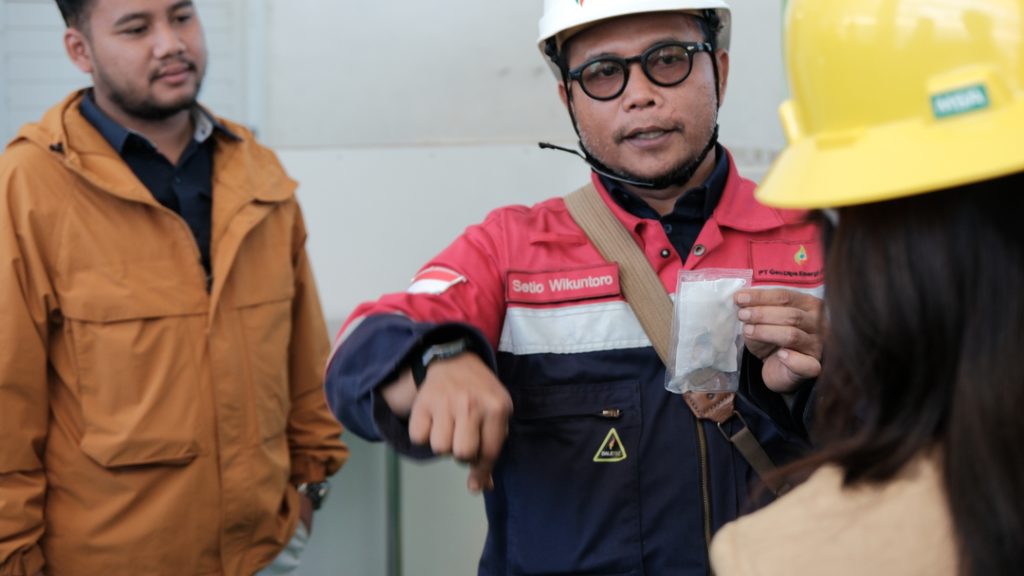
One small but crucial engineering detail is that the pipelines are intentionally bent into shapes resembling the letter “n” at intervals of about 100 meters. These bends help reduce mechanical stress caused by wind, temperature fluctuations, and other environmental factors—a simple yet highly effective solution to a problem that could have significant long-term consequences.
At the end of its journey, the high-pressure steam strikes the blades of a turbine, generating approximately 50 MW of electrical power at the Patuha Unit. By comparison, the Kamojang facility produces around 200 MW. Equally impressive is the fact that Indonesia ranks among the world’s leading producers of geothermal electricity, highlighting the country’s vast geothermal potential.
Making Full Use of Geothermal Water
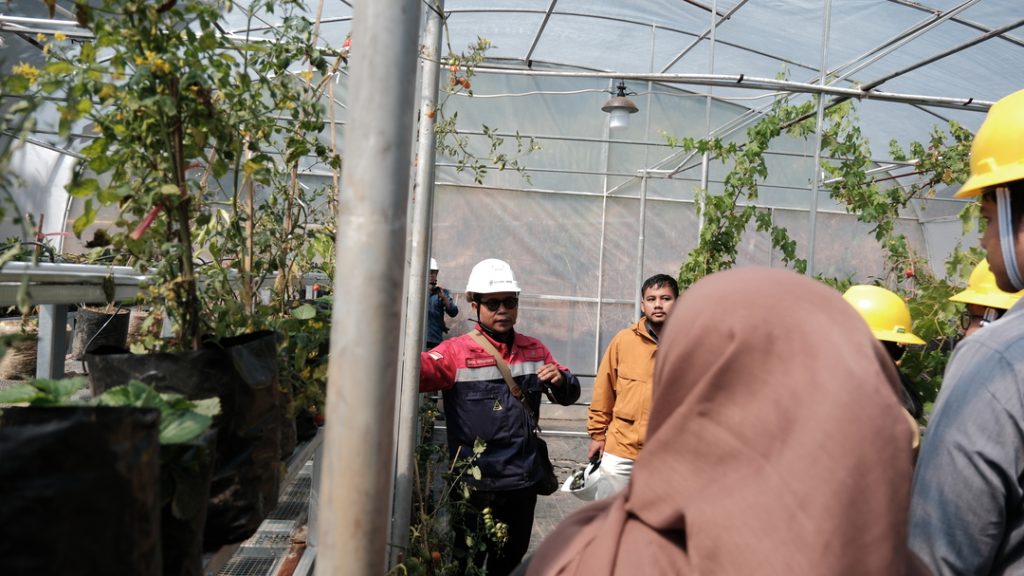
One of the participants’ favorite parts of the visit was discovering how geothermal condensate is put to productive use rather than being discarded. Warm water collected from the steam transportation system is redirected through smaller pipelines to heat soaking pools, maintain greenhouses for plants that require air temperatures of around 30°C, and assist in drying tea leaves.
The demonstration area showcasing these geothermal applications also features a small café that sells products made by local communities. It serves as a tangible example of how geothermal energy can provide benefits that extend far beyond electricity generation, supporting agriculture, local businesses, and community development.
The visit offered students a valuable opportunity to connect classroom theories with real-world applications. More importantly, it demonstrated how physics plays a central role in developing sustainable energy solutions and how geothermal resources can contribute not only to clean electricity production but also to broader social and economic benefits for surrounding communities.