


Quality Control (QC) & Radiation Protection in the Radiology Unit
The Merdeka Belajar Kampus Merdeka (MBKM) program provides valuable opportunities for students to gain direct experience in professional environments. One example is the experience of Medical Physics students at Santosa Bandung Hospital Kopo (SHBK).
Through this program, students not only strengthen their theoretical understanding but also actively engage in clinical practice, particularly in Quality Control (QC) and radiation protection within the radiology unit. This experience highlights that working in the medical field requires not only technical skills but also precision, consistency, and a strong sense of responsibility toward patient safety and the quality of diagnostic services.
Focus of Activities: Quality Control and Radiation Protection
During the MBKM program, students focused on implementing Quality Control (QC) and radiation protection practices. The main objective was to ensure that radiological equipment, such as X-ray machines, operates optimally and safely.
In addition, careful attention was given to managing radiation doses to ensure they remain within safe limits for both patients and medical staff. This emphasizes the crucial role of medical physics in maintaining safety standards and healthcare service quality.
Hands-On Learning Experience
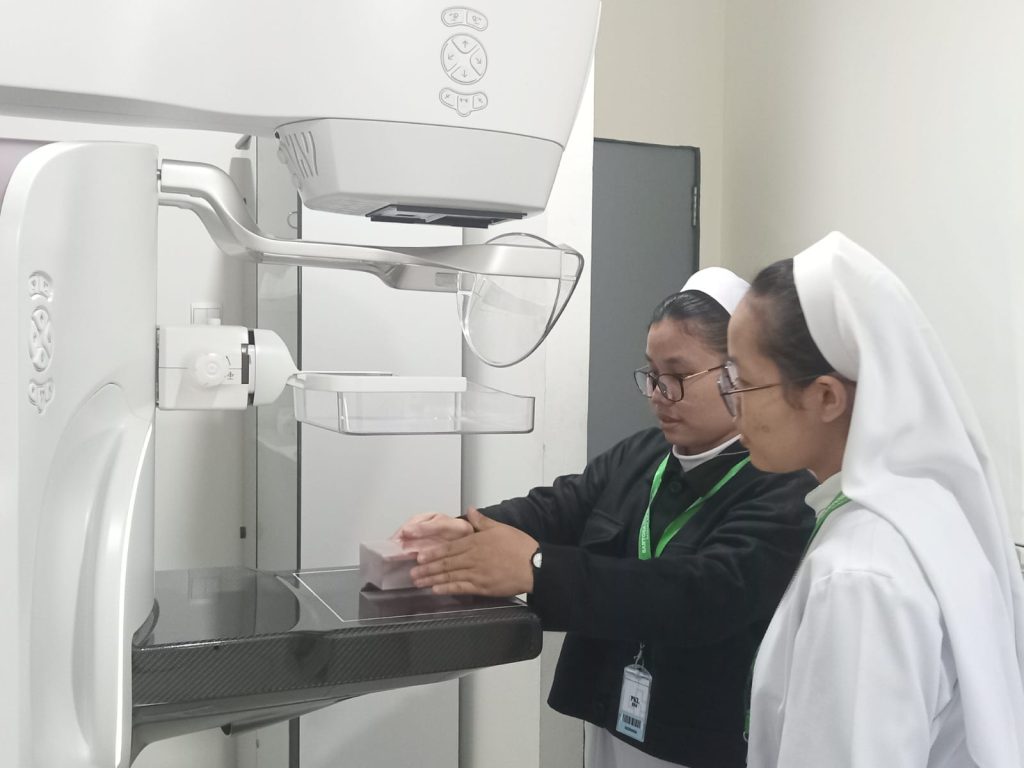
The MBKM experience at SHBK goes beyond observation. Students were directly involved in routine activities, including:
- Processing and analyzing radiation dose data
- Using measurement instruments such as multimeters
- Utilizing phantoms for radiological equipment testing
This hands-on involvement reinforces the importance of consistency in QC procedures as a key factor in maintaining equipment performance and radiation safety.
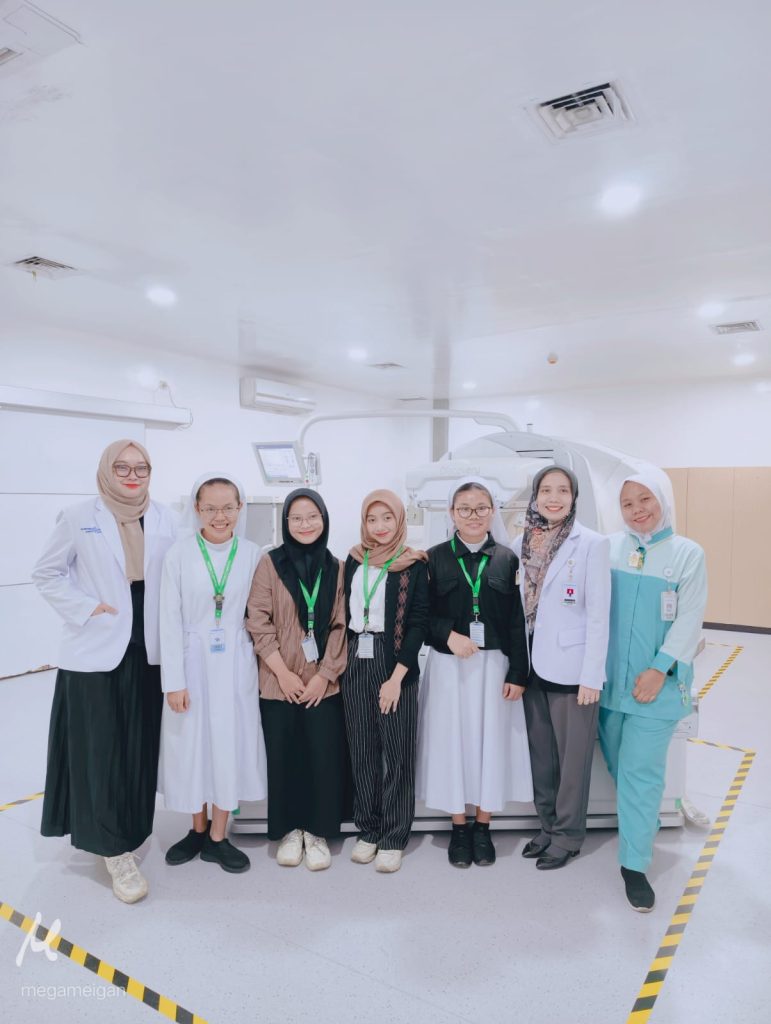
Experience in Nuclear Medicine
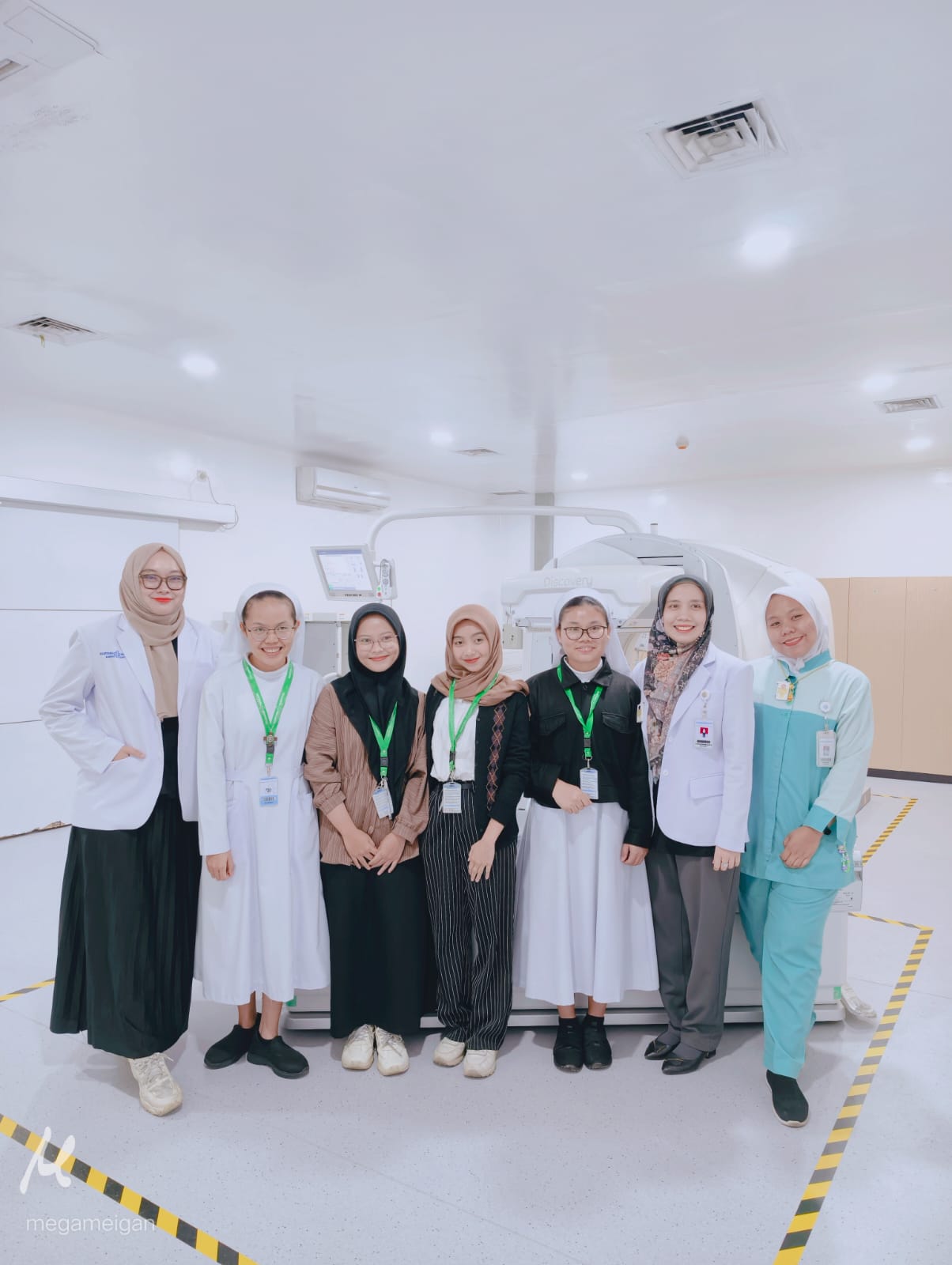
In addition to radiology, students also had the opportunity to observe activities in the nuclear medicine department. They interacted with experts and learned about more complex procedures.
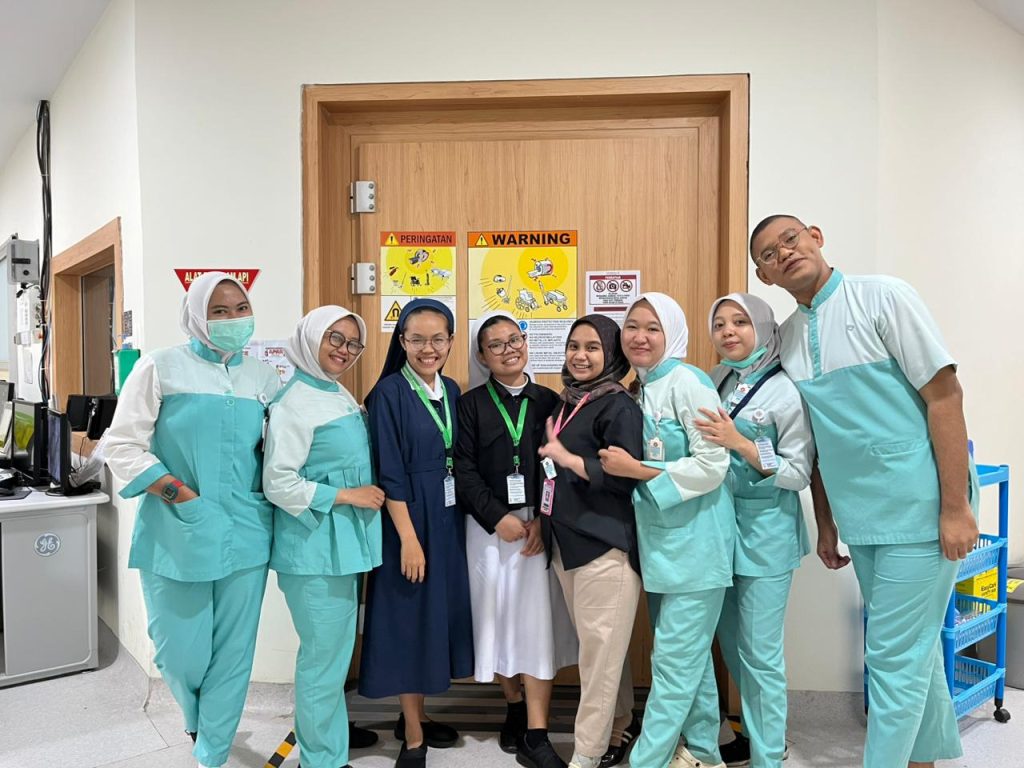
Although challenging, this experience became a strong motivation for continuous learning and professional growth. Support from experienced mentors played an important role in helping students better understand clinical practices.
Competency Development
Throughout the MBKM program, students developed not only technical skills but also essential soft skills, such as:
- Professional communication
- Adaptability in the workplace
- Critical thinking
This experience demonstrates that competencies in medical physics extend beyond technical expertise, requiring systematic and collaborative working abilities.
Challenges and Learning Process
One of the biggest challenges was stepping out of their comfort zones, especially when facing complex technical procedures. However, through observation, discussion, and hands-on practice, students learned to overcome these challenges.
This journey became an important part of their personal and professional development.
The Crucial Role of Medical Physics
The MBKM program provides a clear picture of the significant role of medical physics in clinical settings. Medical physics plays a vital role in:
- Ensuring patient safety
- Maintaining the quality of radiological equipment
- Supporting high standards in diagnostic services
Thus, medical physics is not merely theoretical but plays a strategic role in healthcare systems.
The MBKM experience at Santosa Bandung Hospital serves as an important starting point for students to understand the professional world. This program not only enriches knowledge but also prepares students to face future challenges in the field of medical physics.