


Medical Physics is a field of science that applies physics to medicine, particularly in the areas of radiotherapy and radiodiagnostics. Medical physicists also play an active role in the investigation and evaluation of radiation accidents, enhancing their expertise in line with advancements in science and technology, and serving as Radiation Protection Officers (RPO).
The Medical Physics concentration/program in the Physics Department at Parahyangan Catholic University (UNPAR) was established based on government regulations. It refers to the Decree of the Minister of Health No. 048/MENKES/SK/I/2007, which stipulates that medical physicists are one of the essential health professionals required in every hospital. This is further supported by Law No. 36 of 2014 and, more recently, the issuance of Minister of Health Regulation No. 24 of 2020, which also mandates that every clinical radiology facility must employ at least one medical physicist.
The educational pathway to becoming a medical physicist begins with completing an undergraduate (Bachelor’s) degree in Physics with a concentration or program in Medical Physics. After earning a bachelor’s degree, similar to doctors and nurses, graduates must undertake a professional training program for one to two semesters. However, for those who wish to deepen their scientific knowledge, pursuing a Master’s degree (S2) in Medical Physics after completing their undergraduate studies is recommended. Graduates who have completed the professional training program will receive the professional title Medical Physicist (F.Med).
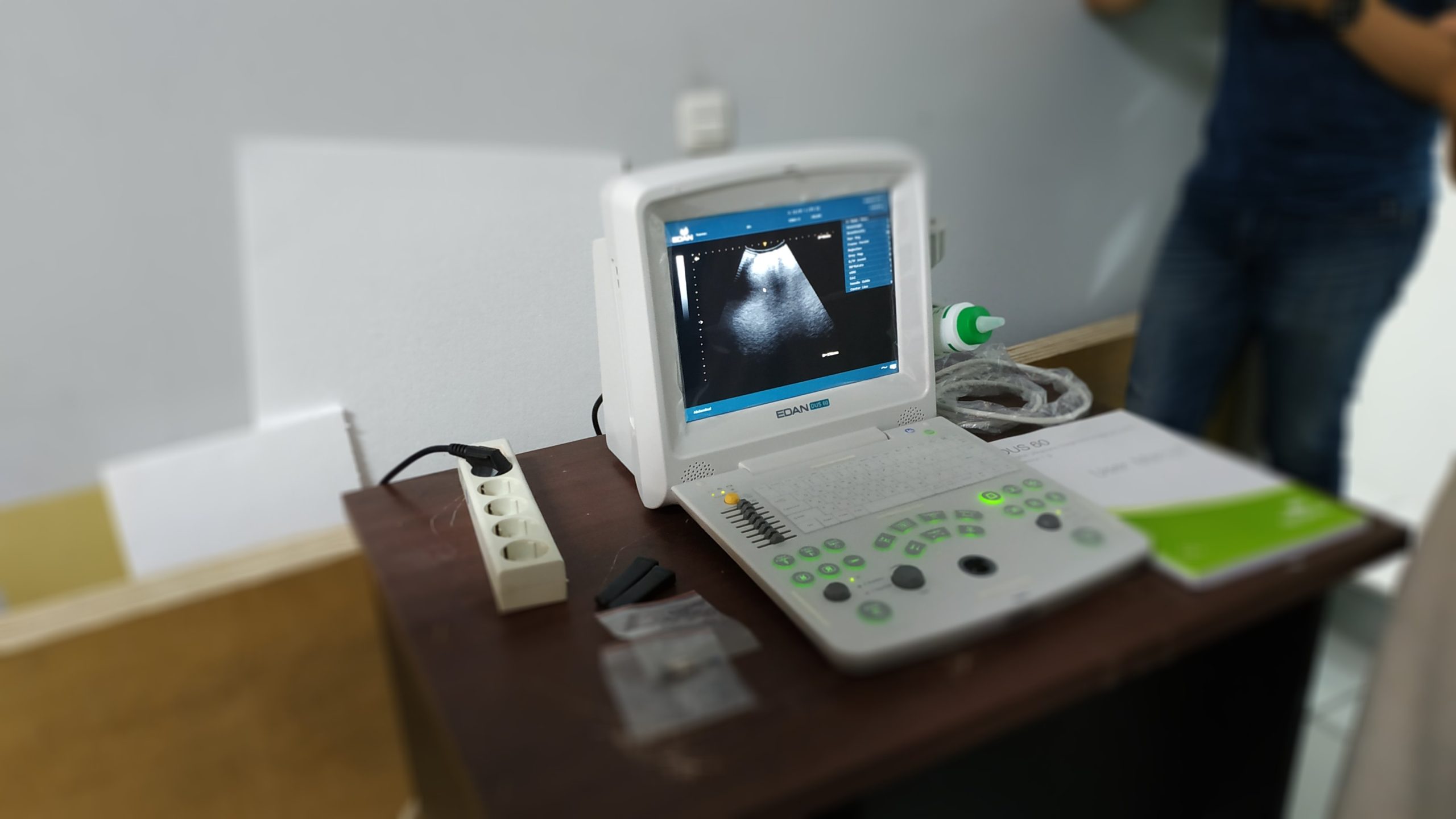
During the undergraduate program, in addition to core courses, students in the Medical Physics concentration are required to take specialization courses such as Introduction to Radiological Physics and Dosimetry, Health Physics and Radiation Protection, Radiobiology, Anatomy and Physiology (taught by medical doctors), Radiotherapy Physics, as well as Practicum in Radiodiagnostic and Radiotherapy Physics / hospital internships.
Career opportunities for graduates of Medical Physics are not limited to working as medical physicists. With the advancement of healthcare technology, which also impacts the healthcare industry, Medical Physics graduates can work in the medical device industry as well as research institutions.
If you are interested and wish to explore Medical Physics further, please contact the relevant lecturers directly.